Imagine two small business owners launching similar products in the same market. The first, Sarah, spends time talking to potential customers—listening to their stories, frustrations, and dreams. She tweaks her offerings based on real feedback, crafts messages that speak her audience’s language, and delivers a customer experience that makes people feel seen and heard. Her company steadily grows as her loyal customers become brand advocates, recommending her business to friends and family. On the other hand, there’s Mark. Instead of engaging directly, Mark relies on his instincts and industry trends. He assumes he knows what his target market wants because it’s worked for others, or maybe, because “it’s always been done this way.” His marketing campaigns sound generic, his product features miss the mark, and sales trickle in unpredictably.
This isn’t just a matter of luck or even product quality. The real difference is knowledge—specifically, knowing the audience. For small businesses, the cost of guessing or relying on assumptions is especially high. With limited resources, every marketing dollar has to work harder, every product adjustment needs to count, and every customer interaction must build trust. Misunderstood audiences lead to campaigns that flop, wasted ad budgets, and offerings no one really wants. Worse still, if your efforts alienate or miss the mark, competitors who make the effort to really know and understand their customers will swoop in and win them over.
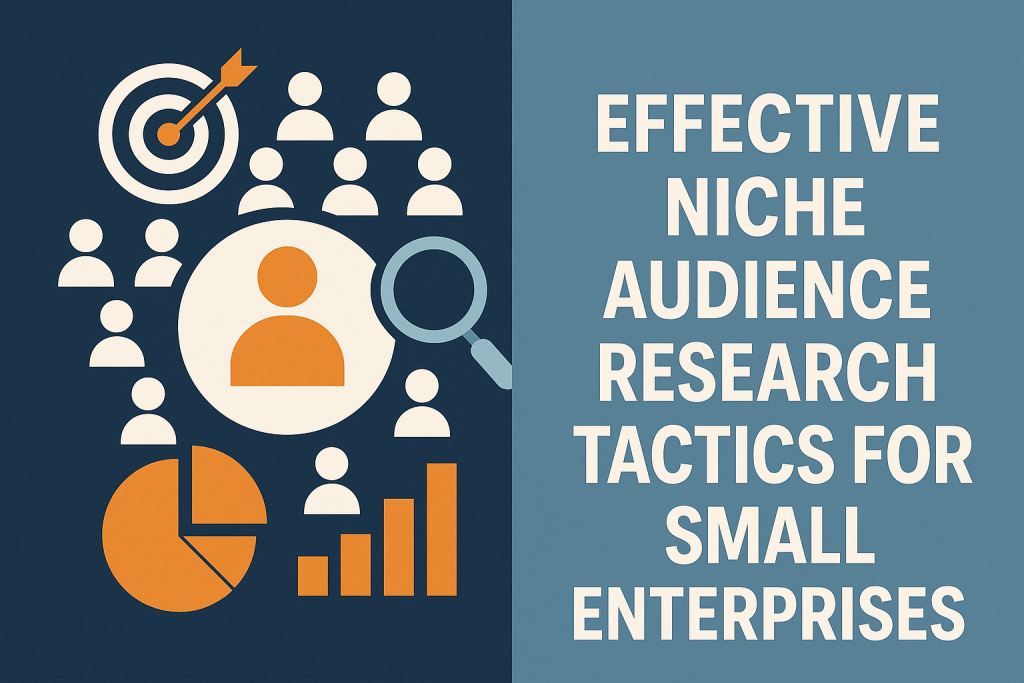
Now, pause for a moment and ask yourself: How well do you know your own audience? Are you making strategic decisions based on detailed insights, or are you still relying on hunches? The answer to this question can be the dividing line between a business that thrives and one that struggles just to survive. In a world where attention is scarce and competition is fierce, truly understanding your niche isn’t merely an advantage—it’s the foundation on which enduring, successful businesses are built.A niche audience refers to a specific, well-defined group of individuals whose needs, preferences, and interests align closely with what a business offers. Unlike a general audience, which can encompass a wide range of backgrounds and motivations, a niche audience is characterized by its particularity—think of passionate hobbyists, professionals in a certain field, or consumers with specialized needs. For small enterprises, targeting such a distinct segment presents both unique opportunities and notable challenges. Unlike larger competitors that may cast a broad net, small businesses often lack the resources to engage massive audiences. Instead, they focus their limited marketing efforts on connecting with highly relevant prospects, seeking quality of engagement over quantity. However, reaching and resonating with this focused group is not always straightforward. Small enterprises commonly grapple with questions like: Who exactly are our ideal customers? What language, imagery, or values do they respond to? Where do they spend their time online and offline?
This is where the importance of robust audience research becomes paramount. By diving deep into the behaviors, pain points, and lifestyles of their niche audience, small businesses can uncover insights that shape every facet of their growth strategy. Audience research not only clarifies “who” to target but also illuminates “how” to engage them most effectively. It guides the development of compelling messaging, ensures product offerings are precisely tailored to unmet needs, and helps choose marketing channels with the highest potential for engagement and conversion. Ultimately, when small enterprises invest in understanding their niche audiences, their efforts yield better marketing returns on investment (ROI), foster stronger customer relationships, and minimize wasted time and resources on poorly targeted campaigns. Deep audience knowledge transforms abstract demographics into real people with real problems—setting the stage for more meaningful connections, smarter business decisions, and sustainable long-term growth.Pinpointing your niche is the essential first step in effective audience research, requiring clarity about exactly who you serve and the unique value you offer. Start by refining your business focus—consider what specific problems you solve, which core demographics you attract, and the interests that unite your ideal clients. Break this down into quantifiable details, including age brackets, professional roles, pain points, and aspirations. Once you have this clarity, leverage budget-friendly research tools to deepen your understanding. Free and low-cost platforms such as Google Trends, Answer the Public, and social listening tools can reveal evolving topics and questions in your focus area. Tapping into your existing resources—website analytics, customer inquiries, and sales data—can provide practical insights into real user behaviors and preferences without significant expense.
Direct engagement with your target audience can unearth invaluable qualitative feedback that raw data alone cannot provide. Develop targeted surveys and interview questions that dig into both needs and motivations, using platforms like Google Forms or Typeform to minimize costs. Don’t overlook focus groups, whether in-person or virtual, to observe firsthand how prospects articulate their challenges and preferences. Invite existing customers or active community members to participate—these individuals often yield actionable perspectives, helping you refine both your product offering and messaging.
Social media and online communities provide a treasure trove of insights into audience interests, frustrations, and values. Seek out niche-specific groups on platforms such as Facebook, Reddit, or Discord, and observe ongoing discussions. Take note of recurring themes, frequent questions, and the voices that frequently influence opinion. This grassroots intelligence reveals not only what your audience cares about but also how they prefer to communicate and where they congregate online.
Systematic competitor analysis helps sharpen your approach further. Examine how established brands in your niche interact with their audiences across digital channels. Analyze the content they publish, the questions they choose to address, and the engagement techniques that yield the strongest responses. Tools like SimilarWeb or BuzzSumo can illuminate what’s working—or falling flat—in your market.
Synthesizing all these findings into detailed buyer personas and customer journey maps transforms raw data into actionable insights. Create profiles that capture demographic traits, motivations, and decision-making behaviors, then chart the typical customer path from awareness to purchase. This process highlights critical engagement points where your brand can provide unique value.
Finally, recognize that niche markets evolve. Establish habits for ongoing research—regular surveys, periodic community check-ins, and follow-up interviews—to ensure your understanding stays fresh. Use this feedback loop to adapt your products, messaging, and strategies, ensuring your business continues to resonate as needs and platforms change.Investing time and effort in thoroughly understanding your niche audience is not just an optional task for small businesses—it’s a powerful strategy that can set you apart in an increasingly crowded marketplace. Throughout this discussion, we’ve seen how targeted audience research gives small enterprises the ability to shape products, services, and marketing strategies with pinpoint accuracy. When you truly know your audience’s needs, pain points, and behaviors, every decision you make—whether it’s crafting messages, selecting marketing channels, or refining your offer—becomes more informed and more likely to deliver results. This kind of insight enables you to use your limited resources wisely, channeling your energy and budget where they matter most, and increasing your odds of consistent, sustainable growth.
It’s important to remember that audience research is not about getting everything right from the outset. The most successful small businesses often start with modest efforts—simple surveys, casual customer conversations, or basic social media polls. Over time, they build richer insight by iterating, testing, and refining their understanding based on real feedback. The key is embracing progress, not perfection. Even small steps, consistently taken, accumulate into a deep well of knowledge that big competitors with bigger budgets might overlook in pursuit of broader markets.
Ultimately, your niche audience is far more than just a collection of potential buyers—they are the foundation upon which your entire enterprise is built. Their preferences, frustrations, and feedback offer a direct line to what truly matters in your business. By listening closely, learning continuously, and being willing to adapt, you transform passive buyers into loyal advocates and ensure your company remains relevant as needs and trends shift. So, start where you are, use what you have, and let your audience guide the way. Remember: the path to enduring success for your small business lies in cultivating deep, actionable audience insight—listen, learn, and lead your business to a future shaped by real human connection.